I have recently read this piece by Emma Beddington in The Guardian, on opting out of smart phones, briefly put. Ms Beddington lays clear how life used be in the pre-digital era, only to make sure that those longing for a bygone past do so on an informed basis, and she herself agrees with that longing for.
This topic, which seems to be gaining some popularity across various groups in the society, is worth of a sound and calm exploration.
For me, putting aside the romanticised nostalgia aspect, in no way can I see myself going offline as a life choice—what else could be expected from one who not only embraces but also champions the blended-mode living, including in higher education.
With over 7 billion smartphones and 6 billion internet users worldwide; the internet, digital transformation —and more recently AI— have already transformed our lives. The transformation is ongoing only at an higher pace, and overall this has happened for the better. (Good news for me, the offline movement would need quite some time to take hold if at all.)
As I am one of that lucky generation who have lived through the entire digital transformation so far, I have a good enough experience with both pre-digital and digital worlds to see through the romantic nostalgia. I used to wait for hours to be connected for a landline intercity phone call, now I do not even need a phone call, with instant video calls and video meetings freely available, including across borders. I used to rely on a once-printed encyclopaedia or whatever physical book etc. I had at hand, or otherwise I would need to go somewhere or find someone in the know when curiosity hit; now, knowledge of the world is at my fingertips be that about deep scientific or business-related issues or just tips for delicious snacks. Other countries were a distant dream, now cross-cultural interaction has become seamlessly enabled—even international travel is much more convenient thanks to AI, Google Maps, and the likes.
As with any other technological innovation or indeed perhaps everything in life, the digital era is not all roses. There are discussions ongoing around issues like screen-time, doomscrolling, digital fraud, etc.; however, these can be managed just like with we have done with motorcars, aircraft, television, and all other technology products. Yes fraud can be digital, but so can education; motorcars and aircraft can be used for emergency transport to save lives, but can also be misused. It is not the technology, it is what we humans do with that.
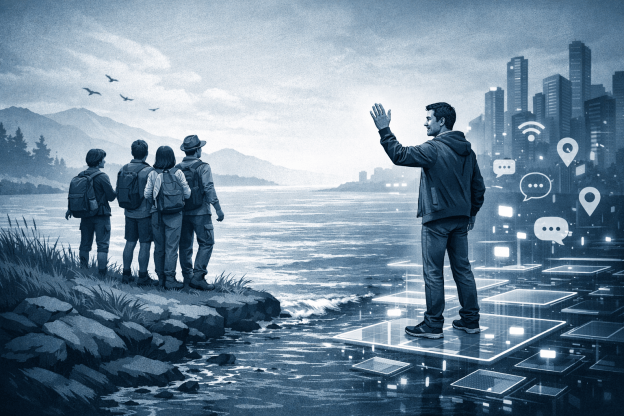
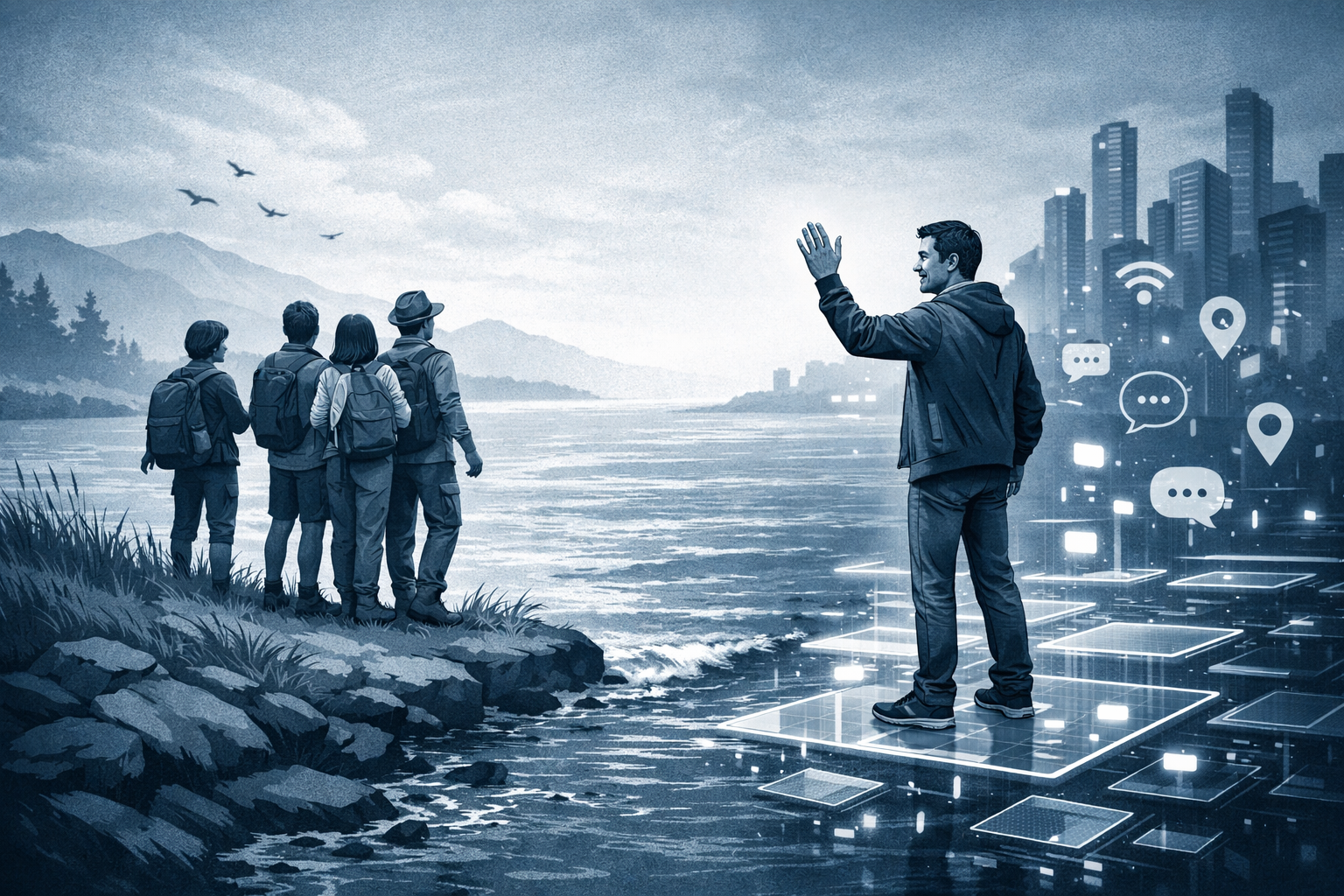
To conclude, if some people would like to try living as if in a bygone era, they are of course free to do that and I support their democratic freedom. The more informed and well-thought-through that choice, the better. For me, on the other hand, I will happily remain in this blended-mode life, continuously adapting to and sailing through the exciting waves of continuing digital transformation.